
A car may feel different in Johannesburg than it does in Durban. Joburg sits roughly 1,750 metres above sea level, while Durban is close to sea level. The higher elevation means lower atmospheric pressure and less dense air.
The percentage of oxygen in the atmosphere remains broadly similar. The difference is that a given volume of thinner air contains fewer oxygen molecules. This can affect combustion engines, particularly when accelerating, climbing or carrying a heavy load.
Altitude is only one part of the driving picture. Gradient, temperature, traffic, wind and luggage can have a greater effect on an individual journey. Understanding the difference helps drivers respond without mistaking a normal change for a mechanical fault.
Why does altitude affect a car engine?
A petrol engine combines air and fuel before ignition. A diesel engine also relies on oxygen for combustion, although it ignites fuel differently. At higher altitude, less dense intake air means less oxygen enters naturally for the same volume.
Modern engine-management systems measure conditions and adjust fuel delivery. This helps the engine operate across changing elevations, but it cannot create oxygen that is not present. The driver may therefore notice softer acceleration or more frequent gear changes.
Why do naturally aspirated engines feel altitude change more?
A naturally aspirated engine draws air in without using a turbocharger or supercharger to raise the intake pressure. At higher altitude, lower air density can reduce the amount of oxygen available for combustion and therefore the engine’s maximum power.
The effect often becomes clearer on a steep climb, when overtaking or when the car carries passengers and luggage. Drivers should allow more space and avoid assuming that the car will accelerate exactly as it does at the coast.
Do turbocharged engines compensate for altitude?
A turbocharger uses exhaust energy to compress intake air. This can help a turbocharged engine maintain power as altitude rises, but compensation has limits. Turbo design, engine controls, temperature and operating conditions all matter.
A turbocharged car may feel more consistent between the Highveld and the coast, yet it should not be described as unaffected. Drivers considering one can read more about buying a turbocharged car in South Africa.
Why are mountain passes more demanding on your engine?
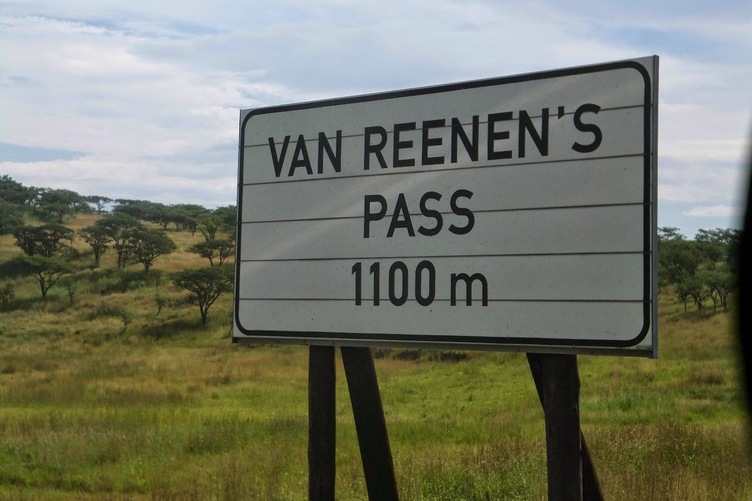
Mountain routes combine altitude with gradient, bends, changing weather and long descents. Climbing requires more energy, while a loaded car may accelerate more slowly. Select a suitable gear early and plan overtaking conservatively.
The descent creates a different risk. Repeated heavy braking can build heat and reduce braking performance. Use an appropriate lower gear where the manufacturer recommends it, leave more following distance and stop safely if braking changes. These checks belong in wider pre-holiday road-trip checks before travelling through mountain passes.
Does altitude change fuel consumption?
There is no useful rule that a car will always use more or less fuel at altitude. Engine controls may reduce fuel delivery with the available air, but terrain, speed and driving style strongly influence the final result.
A Johannesburg-to-Durban trip includes a major descent in one direction and a climb on the return. Traffic, wind, temperature and luggage may also differ. A trip-computer reading cannot isolate altitude unless the other conditions are comparable.
Drivers comparing fuel-efficient cars should therefore consider real-world routes as well as published figures.
Consistent speed, smooth acceleration and sensible loading remain practical ways to save fuel across different elevations.
What happens to the car’s cooling system on a climb?
Long climbs, hot weather and heavy loads can increase engine heat. The cooling system must manage this demand whether the car is at altitude or near sea level.
Check coolant only as the manufacturer directs and never open a hot, pressurised cooling system. A rising temperature gauge, coolant warning or steam requires a safe stop. Guidance on common summer car problems can help before a hot-weather journey.
Does altitude affect tyre pressure?
Tyre pressure changes mainly with temperature, but gauge pressure is also measured relative to surrounding air pressure. A journey involving large changes in altitude and temperature can therefore produce different readings.
Use the manufacturer’s recommended cold tyre pressure for the car’s load and check it with a reliable gauge. Do not release air from hot tyres simply because the reading increased during a journey. Further eco-friendly driving and tyre-pressure guidance can support regular checks.
How do electric cars respond to altitude?
Electric motors are not affected by reduced oxygen levels in the same way as combustion engines, although elevation changes, temperature and battery management systems can still influence vehicle performance and range.
Altitude still affects the journey because climbing consumes energy and descending may allow regenerative braking.
Temperature, speed, load and the route influence driving range. Regenerative braking also has limits, especially when the battery is full or conditions restrict the system. Drivers should follow the car’s guidance on mountain descents.
When does a change in car performance need inspection?
A small and predictable change in response at altitude may be normal. A sudden loss of power, warning light, overheating, smoke, unusual noise or severe hesitation needs attention. These symptoms should not be dismissed as altitude without an inspection.
The practical lesson is to plan for the route rather than altitude alone. Allow more overtaking space, manage speed on descents, watch the temperature display and use the pressures and operating instructions supplied for the car.
Frequently asked questions
Why does a car lose power at high altitude?
Thinner air contains fewer oxygen molecules in a given volume. This can reduce the maximum power available from a combustion engine.
Are turbocharged cars unaffected by altitude?
No. A turbocharger can compensate to a degree, but the engine, turbo, temperature and control limits still matter.
Does driving downhill save the fuel used while climbing?
A descent requires less engine power, but it does not simply cancel the climb. Traffic, speed, braking and route conditions affect the journey.
Do electric cars lose motor power at altitude?
Electric motors do not rely on atmospheric oxygen. Climbing still uses energy, while descending may recover some energy through regenerative braking.
 Disclaimer
This article provides general information only. Engine response, tyre pressure and operating requirements differ between cars and conditions. Follow the owner’s manual and manufacturer guidance for your model. Drivers must comply with the National Road Traffic Act and adjust their driving to the road, traffic and weather. Prime SA is an Auth FSP 41040.