Pressing the brake pedal is one of the most familiar actions for any driver. Whether you’re slowing down for a traffic light, stopping at a pedestrian crossing, or parking at home, braking is second nature.
But did you know that braking isn’t just one action? It’s a team effort involving several systems working together to bring your car to a safe stop. From the brake pedal to the tyres, every part plays a role in keeping you safe on the road.
Let’s take a closer look at how it all works and why understanding your car’s braking system can make a big difference in your driving experience.
Braking Starts with Your Foot
Every stop begins with a simple press of the brake pedal.
When you press the pedal, you’re activating a hydraulic system that transfers your input to all four wheels. This system ensures smooth and consistent braking, helping your car stay stable and safe.
The harder you press, the more braking force is applied, allowing you to adjust your speed or come to a complete stop as needed.
Brake Fluid: The Unsung Hero
Brake fluid is a vital part of your car’s braking system.
Unlike engine oil or coolant, brake fluid doesn’t lubricate or cool. Instead, it transfers pressure through sealed brake lines when you press the pedal. This pressure reaches the brakes at each wheel almost instantly, ensuring they work together seamlessly.
Routine servicing includes checking brake fluid to keep your braking system in top shape.
Brake Pads: Where the Action Happens
Once the hydraulic pressure reaches the wheels, the brake pads get to work.
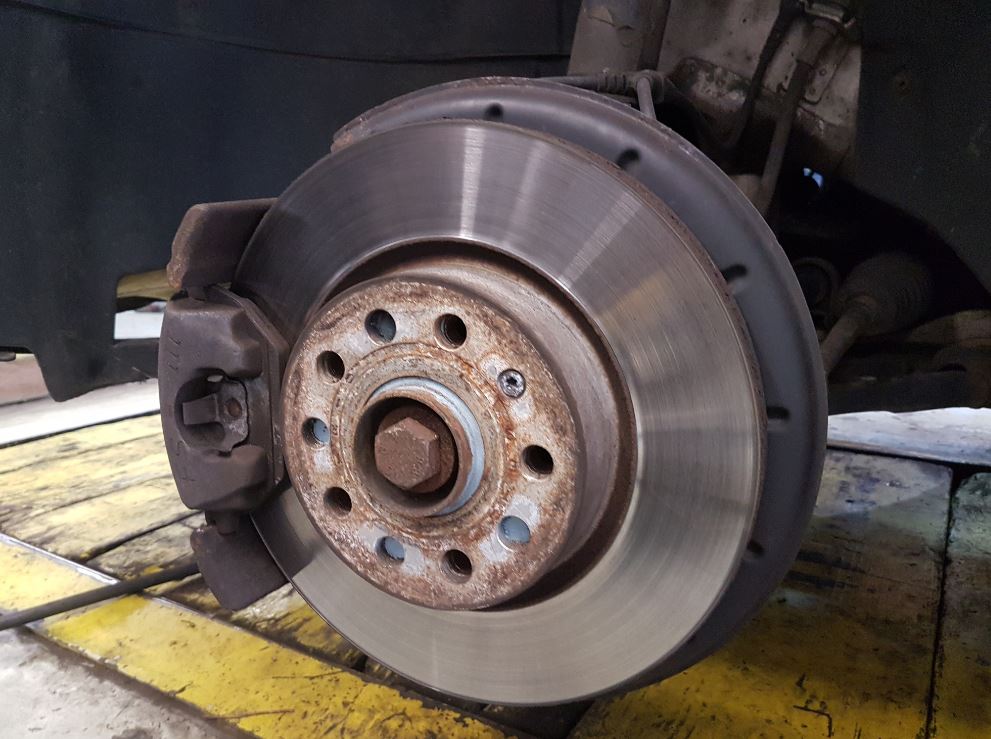
These pads press against the brake discs, creating friction that slows the car down. Over time, this friction naturally wears down the pads, which is why regular inspections are essential.
Brake Discs: Managing the Heat
Brake discs work hand-in-hand with the pads.
As the pads press against the discs, heat is generated. The discs are designed to absorb and release this heat efficiently, ensuring consistent braking performance.
Regular servicing helps monitor the condition of your brake discs, keeping them ready for every journey.
Tyres: The Final Connection
Your tyres play a crucial role in braking.
While the braking system creates the stopping force, it’s the tyres that transfer that force to the road. Tyres with good tread depth, proper inflation, and overall good condition ensure your car stops as it should.
Road Conditions Matter
Different road surfaces affect braking performance.
From smooth tar to gravel roads, or even wet and slippery surfaces, the grip between your tyres and the road changes. Adjusting your speed and following distance based on road conditions can make all the difference.
Modern Braking Assistance
Many modern cars come equipped with electronic systems like Anti-lock Braking Systems (ABS).
ABS helps maintain steering control during heavy braking by preventing the wheels from locking up. Other technologies may also work in the background to support safe braking, depending on your car’s model.
Smooth Braking Starts with Observation
The smoothest stops often begin before you even touch the brake pedal.
By observing traffic ahead, you can anticipate changes and reduce speed gradually. This not only makes for a more comfortable ride but also helps your braking system work more efficiently.
Routine Servicing Keeps You Safe
Braking components naturally wear over time, which is why routine servicing is so important.
During a service, technicians check:
- Brake pads
- Brake discs
- Brake fluid
- Brake lines
These inspections ensure your braking system stays reliable and ready for the road.
Braking Is a Team Effort
Braking isn’t just about pressing the pedal-it’s a coordinated effort involving:
- Your input
- Brake fluid
- Brake pads
- Brake discs
- Tyres
- Road conditions
- Electronic assistance systems
Each part works together to deliver smooth, controlled stops, keeping you and your passengers safe on every journey.
By understanding how your car’s braking system works, you can drive with greater confidence and care. After all, every journey is an opportunity to get to know your car better and keep it in its best condition.
Conclusion
Every time you press the brake pedal, a carefully engineered sequence of events takes place inside your car.
Hydraulic pressure is transferred through brake fluid, brake pads create friction against the discs, tyres transfer braking force to the road, and electronic systems provide additional support where appropriate.
Understanding how these components work together helps drivers become more familiar with one of the most important systems on their car. It also provides greater appreciation for the engineering that supports safe and comfortable driving every day.
Disclaimer
This article is for general informational purposes only. Always refer to your owner’s manual for model-specific braking system information and maintenance recommendations. Drivers must always comply with the National Road Traffic Act and adjust their driving according to road, traffic, and weather conditions. Prime SA is an Auth FSP 41040.