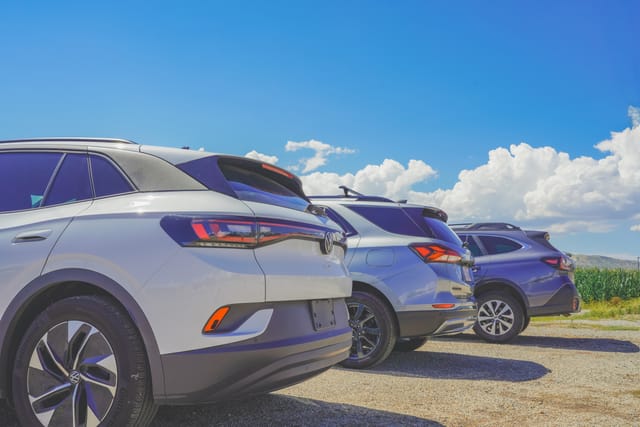
Low mileage does not pause wear. A parked car still loses battery charge, carries its weight on the same areas of its tyres and remains exposed to moisture, heat and sunlight. Knowing what to check before the next trip can prevent a minor storage issue from becoming a roadside problem.
Standing still is not the same as being preserved
Many South Africans now drive less often because they work from home, share a household car or keep a second car for weekends. From the driveway, a parked car can appear unchanged. Underneath, however, several slow processes continue.
There is no single point at which every parked car develops a problem. Battery age, weather, storage conditions, tyre condition and the car’s electronics all matter. A car parked in a dry Gauteng garage has a different risk profile from one standing outdoors near the coast.
What happens to a car battery when the car is not driven?
The alarm, immobiliser, clock, keyless-entry system and computer memory may continue drawing small amounts of electricity while the car is switched off. This is often called a parasitic or standby draw. Over time, it can leave the battery without enough charge to start the engine.
An older battery, very hot or cold weather, added electrical equipment and repeated short trips can reduce the margin further. Starting the engine for only a few minutes is not a reliable solution because it may not replace the charge used to start the car. Follow the manufacturer’s storage guidance. Where appropriate, a suitable battery maintainer installed according to its instructions may help.
Can tyres develop flat spots while parked?
Tyres naturally lose some air over time, and pressure also changes as temperatures rise and fall. Because a parked car rests on the same section of each tyre, long periods in one position can also create flat spots.
A mild vibration may disappear once the tyres warm up during a careful drive. Cracks, bulges, visible damage or vibration that continues are different. Do not rely on appearance alone: check cold tyre pressures against the label or owner’s manual, and ask a tyre specialist to inspect anything unusual.
Surface rust can form on brake discs
Rain, a car wash or humid air can leave a light layer of rust on exposed brake discs. This can cause a scraping sound or a slightly different feel during the first few brake applications.
Light surface rust often clears as the brake pads make normal contact with the discs. Persistent grinding, pulling to one side, strong vibration or poor braking needs attention. If the brakes do not feel normal, stop driving and arrange a professional inspection or contact your insurance provider’s 24-hour roadside assistance service.
Time still counts for fluids and servicing
Engine oil, coolant, brake fluid and other fluids remain in their systems while the car is parked. The pumps circulate them again once the engine starts, but low mileage does not remove time-based maintenance requirements.
Service schedules commonly use both elapsed time and kilometres travelled. This matters because some fluids and components change with age, heat and moisture exposure. Check the service schedule for your specific car, even if it covers only a few thousand kilometres a year.
Sun, heat and coastal air keep acting on the car
South African sunlight can heat the cabin sharply and gradually affect paint, dashboards, trim, rubber seals and wiper blades. Near the coast, humidity and salt in the air can also encourage corrosion on exposed metal.
A secure garage offers the best protection from sun, rain and falling debris. Covered parking and a windscreen sunshade can reduce exposure when a garage is not available. Keep the cabin dry and remove food or damp items that may attract pests or contribute to odours and mould.
Fuel is mainly a concern during longer storage
Fuel is unlikely to be a concern after an ordinary gap between trips. During much longer storage, however, fuel quality and the correct preparation can depend on the fuel type, the car and the conditions in which it is stored.
Avoid applying a one-size-fits-all remedy. The safest approach is to follow the owner’s manual or ask the manufacturer or a qualified service centre what your model requires before an extended lay-up.
Before you return to the road
Take a few minutes to inspect the car before the first trip. The car maintenance checks matter more than how clean the car appears.
| Check | What to do |
| Look underneath | Check for fresh fluid patches, loose parts or signs that animals have nested near the car. |
| Check the tyres | Set cold pressures to the manufacturer’s specification and inspect for cuts, cracks, bulges or other damage. |
| Clear your view | Clean the windscreen and mirrors, and make sure the wiper blades move freely. |
| Test the essentials | Check the lights, indicators, horn and dashboard warnings before setting off. |
| Start cautiously | Listen for unusual sounds. Test steering and brakes at low speed in a safe area before joining faster traffic. |
| Respond to warning signs | Do not continue a normal trip if warning lights remain on or if braking, steering or tyre behaviour feels unsafe. |
Understanding how modern car safety features work can help you recognise unusual dashboard warnings or system behaviour.
Does a low-mileage car still need regular servicing?
A low odometer reading tells you how far a car has travelled. It does not tell you how its battery, tyres, fluids and rubber components have responded to time and storage.
If your car is used only occasionally, keep servicing up to date and build a simple pre-drive check into your routine. Regular checks can also reduce the risk of breakdowns and some common car insurance claims.
Your owner’s manual remains the best source for model-specific advice, especially before or after long-term storage.
If a car’s use has changed, it may also be worth reviewing the different types of car insurance available. Drivers who need broader protection can learn more about comprehensive car insurance, subject to the policy’s terms, conditions and exclusions.
Frequently asked questions
How long can a car stand without being driven?
There is no single safe period for every car. Battery condition, tyre pressure, weather, electrical systems and storage conditions all affect how well a car handles inactivity. Follow the manufacturer’s guidance for your model.
Can leaving a car parked damage the battery?
A parked car may continue using electricity for its alarm, immobiliser and other systems. Over time, this can leave the battery without enough charge to start the engine.
Should I start a parked car for a few minutes every week?
Brief idling may not replace the charge used to start the engine. Follow the manufacturer’s storage instructions and ask a qualified technician whether a suitable battery maintainer is appropriate.
Why do the brakes scrape after the car has been parked?
Moisture can cause light surface rust on exposed brake discs. It may clear during the first careful brake applications. Stop driving and arrange an inspection if grinding, pulling, vibration or weak braking continues.
What should I check before driving a car that has been standing?
Check for leaks, tyre pressure and damage, clear visibility, working lights and dashboard warnings. Test the steering and brakes at low speed before entering faster traffic.
Disclaimer
This article provides general information and does not replace advice from a qualified technician or the instructions for a specific car. Always follow the owner’s manual and manufacturer guidance on storage, operation, tyres, batteries and maintenance. Do not drive a car that appears unsafe. Drivers must comply with applicable road laws and adjust their driving to road, traffic and weather conditions. Prime SA is an Auth FSP 41040.