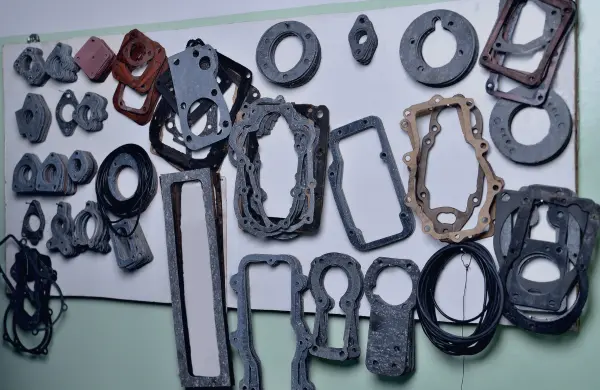
When drivers think about rubber on a car, tyres usually come to mind. Yet flexible materials also sit beneath the bonnet, around the doors, within the suspension and under the body. They seal openings, carry fluids and allow connected parts to move without passing every vibration into the cabin.
The useful insight is that these parts can deteriorate through time as well as distance. Heat, sunlight, moisture, oil and repeated movement can change flexible materials even on a car that covers relatively few kilometres. This is why unusual noises, leaks and changes in steering feel deserve attention.
Why do cars need flexible materials
A car is never completely still while it is running. The engine vibrates, suspension components move over bumps, the exhaust expands as it heats and the body flexes slightly on uneven roads. Rigid connections would transfer more force and noise between these parts.
Rubber and other elastomer-based materials can compress, bend or twist before returning towards their original shape. Manufacturers select different compounds according to temperature, pressure, movement and contact with fluids. Two parts that look similar may therefore have very different specifications.
How do engine mounts manage vibration
Engine and transmission mounts hold heavy components in position while helping isolate vibration from the body. Many mounts contain rubber, while some use fluid-filled or electronically controlled designs.
A worn or damaged mount may contribute to new vibration, knocking or excessive movement, but these signs can have other causes. A technician should inspect the mounting system rather than diagnosing it from cabin vibration alone. Mounts may also fall within different car warranty terms and exclusions, subject to the agreement.
Understanding other key engine parts can make workshop explanations easier to follow.
What do suspension bushes do
Suspension bushes sit at selected joints between components. They allow controlled movement while helping reduce vibration and direct metal-to-metal contact. Their shape and stiffness also form part of the suspension design.
Wear may contribute to clunks, wandering, uneven tyre wear or changes in steering response. However, tyres, alignment, shocks and other suspension parts can create similar symptoms. If steering becomes loose or unpredictable, slow down and arrange an inspection.
The condition of your tyres also matters because tyre damage or wear can affect steering and grip.
Why are hoses made from flexible material
Hoses may carry coolant, air, fuel vapour or other substances while the engine moves and temperatures change. The material and reinforcement must suit the specific pressure, temperature and fluid.
A hose can harden, soften, swell, crack or leak as it ages. Drivers should not open a hot cooling system because pressurised coolant can cause serious burns. Steam, rising temperature or a coolant warning requires a safe stop and model-specific guidance.
What do door and window seals protect
Flexible seals compress when doors, windows or the boot close. They help limit water, dust, wind and noise entering the cabin. Windscreen bonding and sealing use specialised materials designed for the glass and body structure.
A water mark or damp carpet does not identify the failed seal by itself. Water may travel from another entry point before becoming visible. Persistent dampness should be investigated because it can affect visibility, interior materials and electrical components.
Why do wiper blades need attention
The flexible edge of a wiper blade must follow the windscreen while clearing water. Sunlight, dust, heat and repeated use can harden or damage it. Smearing, skipping or missed areas may reduce the driver’s view in rain.
Clean the windscreen and inspect the blades for splits or deformation. Replace them when cleaning does not restore effective wiping, using the correct size and fitting. Wiper checks are also a practical part of maintaining your car on a budget.
How does rubber support the exhaust
Flexible hangers support parts of the exhaust while allowing limited movement as the system heats, cools and responds to engine motion. This helps prevent vibration from passing directly into the body.
A new rattle, scraping sound or exhaust section hanging lower than normal needs inspection. Exhaust parts can become extremely hot, so drivers should not touch or reposition them at the roadside.
Can South African conditions affect hidden rubber
High summer temperatures, strong sunlight, coastal moisture, dust and rough roads can expose flexible parts to demanding conditions. The effect depends on where the part is fitted and the material selected for that job.
Mileage is only one measure of use. A low-mileage car can still develop aged seals, hoses or wiper blades. Follow time-based maintenance guidance as well as kilometre intervals, and record replacements in the car’s service history so future workshops know what was replaced.
What warning signs should drivers notice
Visible cracks, bulges, leaks or loose components require attention. So do new clunks, vibration, steering changes, weak wiping, persistent dampness and warning lights. These signs do not prove that a rubber part has failed, but they justify inspection.
Stop safely when steering or braking becomes unpredictable, the engine overheats, fluid escapes rapidly or visibility cannot be maintained. Qualified assessment is safer than guessing which hidden component is responsible.
What should be checked during servicing
The manufacturer’s schedule identifies the inspections required for a particular model. Ask whether hoses, mounts, bushes, seals and wiper blades were checked, and whether any recommendation is urgent or preventative.
A service plan, maintenance plan and warranty may cover different items. Understanding these warranties, service plans and maintenance plans can help before work is approved.
The central lesson is simple: hidden flexible parts manage movement throughout the car. Correct materials, proper fitting and timely inspection matter more than whether a part looks small or inexpensive.
Frequently asked questions
Can rubber parts wear out when a car is not driven often?
Yes. Heat, sunlight, moisture, fluids and time can affect flexible materials even when mileage remains low.
What are common signs of a worn suspension bush?
Possible signs include clunks, wandering or changes in steering feel. Other faults can cause the same symptoms, so the suspension needs inspection.
Is every flexible black part made from natural rubber?
No. Cars use several natural and synthetic elastomer-based materials selected for different temperatures, fluids and movements.
Can I keep driving with a leaking hose?
A leak may lead to overheating, loss of fluid or another safety concern. Stop safely and follow the owner’s manual rather than continuing without assessment.
Disclaimer
This article provides general information only. Materials, components and inspection requirements differ between cars. Follow the owner’s manual and manufacturer maintenance schedule for your model. If steering, braking, visibility or engine temperature is affected, stop safely and arrange qualified assistance. Prime SA is an Auth FSP 41040.