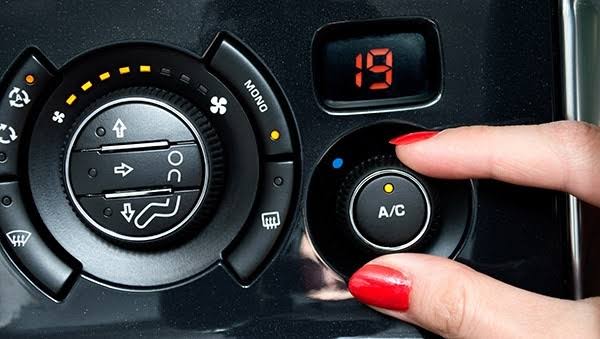
On a hot South African afternoon, pressing the air-conditioning button can change the cabin within minutes. The useful insight is that the system does not manufacture cold air. It moves heat from inside the car to the outside and removes some moisture from the air along the way.
This is why air conditioning supports more than comfort. Drier air can help clear a misted windscreen, while controlled airflow helps the driver maintain a clear view. The exact process and controls differ between cars, so the owner’s manual remains the best guide for a specific model.
How does a cars air conditioner remove heat
Most systems use refrigerant moving through a closed circuit. As its pressure and state change, the refrigerant can absorb heat inside the cabin and release that heat outside.
In a conventional system, the compressor circulates and compresses the refrigerant. It then travels to the condenser, normally near the front of the car, where heat passes to the outside air. A pressure-control component prepares the refrigerant to absorb heat again before it reaches the evaporator behind the dashboard.
Cabin air passes across the cold evaporator. Heat transfers from the air into the refrigerant, and a fan sends the cooled air through the vents. The cycle continues until the controls reduce or stop cooling. System designs differ, particularly in hybrids and electric cars, so the same description does not apply in every detail.
Why does water sometimes drip beneath the car
Warm air can hold moisture. When humid cabin air passes over the cold evaporator, some moisture condenses into water, much like droplets forming on a cold glass. A drain normally directs this water beneath the car.
A small amount of clear, odourless water after aircon use can therefore be normal. It does not prove that every part of the system works correctly. Coloured, oily or strongly smelling fluid may come from another system and should be inspected rather than assumed to be condensation.
How does air conditioning help demist a windscreen
Windscreens mist when moisture condenses on the glass. Air conditioning can dry the air directed towards the windscreen, while heat and airflow help clear the surface. Many cars combine these functions automatically when the demister is selected.
Use the settings described in the owner’s manual. If the windscreen does not clear or begins misting again while driving, slow down and stop safely. A clear view matters more than maintaining the journey. Windscreen checks can also form part of a broader maintenance checklist before a journey.
What does the recirculation button do
Fresh-air mode draws outside air into the ventilation system. Recirculation reuses more of the air already inside the cabin. On a very hot day, recirculation may help the system cool the cabin faster because it works with air that has already started cooling.
Recirculation is not always the best setting. It can allow moisture and stale air to build up, especially with several passengers. Some cars change the setting automatically during demisting. Follow the model-specific guidance and switch to fresh air when needed.
Why can aircon feel weaker in traffic
The cabin, seats and dashboard can store considerable heat after a car stands in the sun. Cooling all those surfaces takes time. Opening the doors or windows briefly before setting off may release some trapped hot air when it is safe to do so.
Airflow around the condenser also changes between open-road driving and slow traffic. Fans help when the car is moving slowly, but performance depends on the system, outside temperature and condition of its components. Advice on other common summer car problems can help drivers prepare for hot conditions.
What role does the cabin filter play
Where fitted, the cabin filter helps capture dust, pollen and other material from air passing through the ventilation route. It does not remove every pollutant, and air can also enter when doors or windows open.
A heavily loaded filter may contribute to weak vent airflow, although fan, duct or aircon faults can create similar symptoms. Check the manufacturer’s schedule instead of assuming the filter needs replacement at every service.
Which aircon warning signs deserve attention
Arrange an inspection when cooling becomes consistently weak, airflow drops, the system makes a new noise or an unusual smell continues after initial use. Persistent window misting, damp carpets or water collecting inside the cabin also deserve attention.
Refrigerant systems operate under pressure and require suitable equipment. Drivers should not open the circuit or release refrigerant. Qualified air-conditioning servicing can identify the cause without relying on one symptom.
How should you discuss aircon work at a service
Ask the workshop what it found, what work it recommends and whether the repair falls within a service plan, maintenance plan or warranty. These arrangements cover different work, so it helps to understand the applicable warranties, service plans and maintenance plans before approving the work.
Useful questions to ask when taking your car for a service include whether the system was pressure-tested and which parts or refrigerant were used.
Keep the invoice and job card. Aircon and cabin-filter work can form part of the car’s service history, helping future workshops understand what has been repaired.
A simple button starts a connected process
Turning on the aircon starts a cycle that moves refrigerant, releases heat outside, absorbs heat inside and circulates cooler air. Moisture may also condense and drain away.
For the driver, the most important result is controlled airflow and clear visibility. Use the system as the manufacturer directs, respond to unusual changes and arrange an inspection when the system no longer cools, dries or directs air as expected.
Frequently asked questions
Does car air conditioning create cold air?
No. It transfers heat from the cabin to the outside through a refrigerant cycle.
Is water beneath a car after using the aircon normal?
A small amount of clear, odourless water can be normal condensation. Coloured, oily or strongly smelling fluid needs inspection.
Should I use recirculation all the time?
No. It may speed up cooling, but fresh air can help manage moisture and stale cabin air. Follow the owner’s manual.
Why is my aircon running but not cooling?
Possible causes include low refrigerant, airflow restrictions or electrical and mechanical faults. A technician should diagnose the system.
Disclaimer
This article provides general information and does not replace advice from a qualified technician or the instructions for a specific car. Always follow the owner’s manual and manufacturer guidance on storage, operation, tyres, batteries and maintenance. Do not drive a car that appears unsafe. Drivers must comply with applicable road laws and adjust their driving to road, traffic and weather conditions. Prime SA is an Auth FSP 41040.